


Key Takeaways
- High-density living and busy lifestyles in Singapore create consistent demand for laundromats, especially those offering 24/7 convenience.
- The self-service model reduces labour requirements and leverages automation to keep overheads minimal.
- Laundry is an essential service, and add-ons like vending machines or premium options can support stronger revenue streams.
- Entrepreneurs benefit from structured business models, training, and established branding, which help lower the risks of starting from scratch.
- With minimal inventory needs, laundromat businesses are generally easier to manage while maintaining cost-efficiency.
The laundromat business in Singapore continues to gain traction, drawing interest from entrepreneurs looking for stable demand and recurring income potential. As urbanisation progresses and daily schedules grow more demanding, self-service laundry solutions have become a practical and increasingly attractive investment. This article explores the key factors that contribute to its growing appeal.
1. High Demand in Urban Areas
The high-density housing and limited space in Singapore’s urban environment have led to a growing need for laundromat services. The urban laundromat demand underscores the stability of this business model, making it an attractive choice for those seeking a profitable investment.
Self-service laundry franchises attract investors by prioritising convenience, which fosters customer loyalty and encourages repeat business. These laundromats, often operating 24/7, cater to the hectic schedules of busy professionals and families. Strategically located near residential areas or in easily accessible neighbourhoods, these laundromats benefit from high foot traffic. In addition, amenities such as folding stations, detergent vending machines, and comfortable waiting areas further enhance the customer experience, boosting retention rates.
2. Low Labour Costs
One of the most attractive aspects of running a self-service laundry business is its low labour requirements. Unlike traditional service-based businesses, laundromats operate primarily on a self-service model. From cashless payment options to remote monitoring of machines, automation and smart systems streamline processes and reduce overheads.
3. Recurring Revenue Model
Laundry is an essential, non-discretionary service that people require regularly, making it a reliable source of revenue. Laundromat franchises in Singapore operate on a business model that thrives on a recurring revenue model, which generates steady income over time. These laundromat franchises also often diversify their offerings with additional revenue streams. Add-ons such as vending machines, detergent sales, and premium services help to boost overall profitability.
4. Franchise Business Support
For aspiring entrepreneurs, investing in a laundromat business offers the advantage of established branding and structured operational support. With a proven business model in place, owners can bypass many of the challenges that come with building a business from the ground up.
In addition, training programmes and access to an existing customer base provide a stronger starting point. This level of support helps reduce uncertainty in the early stages, making laundromat businesses a more manageable option for new business ventures.
5. Minimal Inventory Management
Compared to businesses that rely heavily on inventory, laundromats require very little stock to operate. The primary inventory includes detergents, fabric softeners, and other laundry supplies, which are often sold via vending machines. Due to the reduced complexity of managing large inventories, laundromats are easier to operate and more cost-effective for franchisees.
Steps to Start a Coin Laundry Franchise in Singapore
If you are looking to open a coin laundry franchise in Singapore, here’s how you can start strong and maximise your return on investment.
1. Research & Shortlist Franchise Brands
Begin by comparing established laundromat brands to understand their business models, initial investment, and ongoing support. Shortlisting reputable franchise partners ensures you align with a proven system.
2. Attend Consultations and Franchise Discovery Sessions
Most franchisors offer consultation sessions where you can learn about operations, expectations, and available resources. This step helps you assess whether a franchise is a good fit for your goals.
3. Secure Funding & Plan Investment
Outline your financial commitments, including franchise fees, equipment purchases, and working capital. Banks and financial institutions in Singapore often support small business loans for business investments.
4. Choose a Strategic Location
Location is critical to the success of a laundromat franchise in Singapore. Residential areas, high-density neighbourhoods, and near transport hubs are ideal spots for attracting steady foot traffic.
5. Sign Franchise Agreement
Once satisfied with the franchisor’s support and terms, proceed to sign the franchise agreement. This formalises your partnership and grants you access to the franchisor’s branding, training, and operational framework.
6. Store Setup & Training
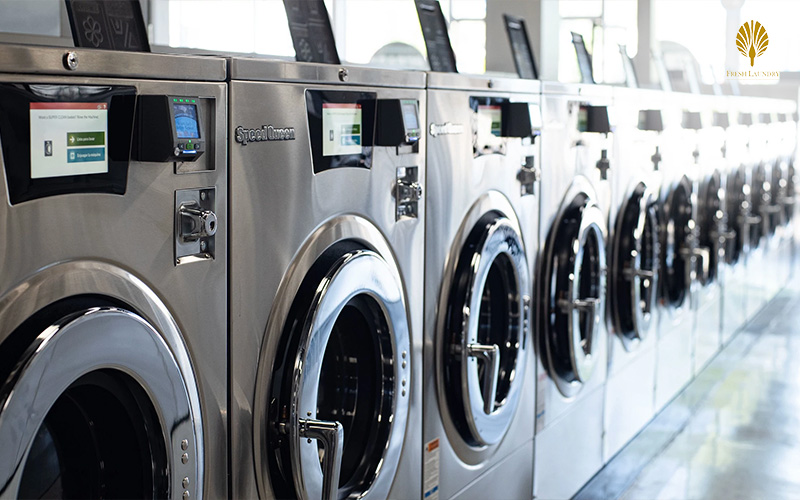
Your franchisor will guide you through the setup process, including installing machines, designing the layout, and implementing cashless systems. At this stage, you will also receive training on operations, customer service, and equipment management. Investing in high-quality machines, such as a Speed Queen washer, ensures durability and efficiency for your business.
7. Marketing & Business Launch
Before opening day, roll out marketing campaigns to build awareness in your local community. Leverage digital marketing, flyers, and in-store promotions to attract customers and encourage repeat visits.
Why a Laundromat Franchise is a Smart Investment
As Singapore continues to urbanise and lifestyles become increasingly fast-paced, the laundromat business is poised for sustained growth. For those considering entering the industry, a franchise business support system provides the necessary tools and expertise to navigate the competitive sector. With minimal staffing requirements and opportunities to expand through additional services, the laundromat business offers a high return on investment.
Based in Singapore, Fresh Laundry is the licensed distributor of Speed Queen machines. We specialise in high-quality self-service laundry solutions, including coin-operated commercial washers and dryers.
Contact us today to learn more about our services.
Frequently Asked Questions
1. Where should I locate a laundromat to maximise success?
The best locations are near high-density residential areas, condominiums, HDB estates, or neighbourhood centres with steady foot traffic. Choosing a strategic site ensures consistent demand and repeat customers. Our team can guide you through location planning as part of our services.
2. How much does it cost to start a coin laundry franchise in Singapore?
Startup costs vary depending on the franchise brand, location, and equipment used. You will need to account for franchise fees, rental, renovation, and equipment like a Speed Queen washing machine. Franchise consultations can give you a clearer breakdown of costs.
3. How does franchising support reduce risk?
Franchising reduces risks by giving you access to an established brand, a proven business model, and ongoing training. With guidance from a trusted coin laundry supplier, you can avoid the common pitfalls of starting a business from scratch.
4. Do laundromats require much inventory?
No. Laundromats have minimal inventory requirements compared to retail businesses. Basic stock such as detergents or softeners can be sold through vending machines. This makes day-to-day operations easier and more cost-efficient.
5. Is a coin laundry franchise suitable for first-time business owners?
Yes. Many coin laundrey franchisees in Singapore are run by first-time business owners who can benefit further from training, operational support, and brand recognition. If you’re exploring entrepreneurship, a franchise is a lower-risk entry point. Learn more about how we support owners on our About Us page.
6. What are some challenges or considerations to keep in mind?
Common challenges include securing a good location, managing equipment upkeep, and staying competitive. Partnering with an experienced supplier enables you to overcome these hurdles with reliable machines, technical support, and strategic advice.
 Login with Google